SERVICES
Drywall Repair
Holes, cracks, and water marks patched, sanded, and textured to match, then painted so the fix disappears.
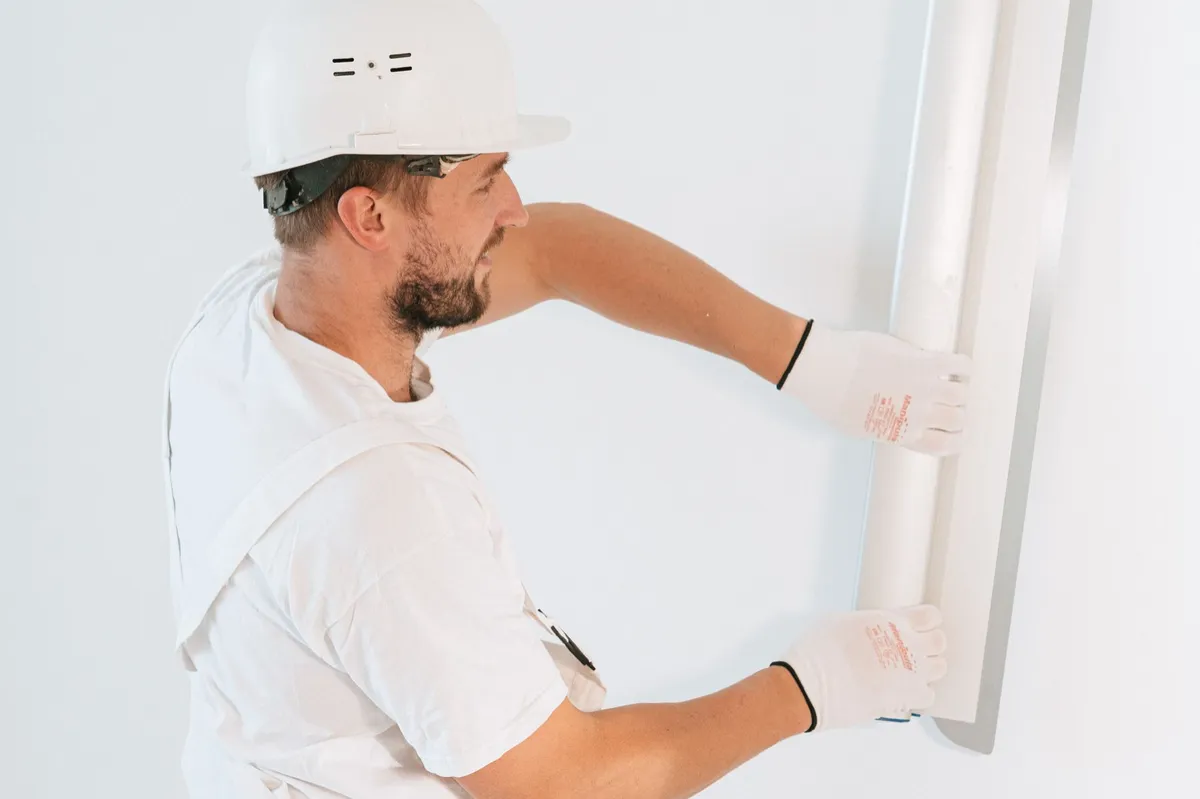
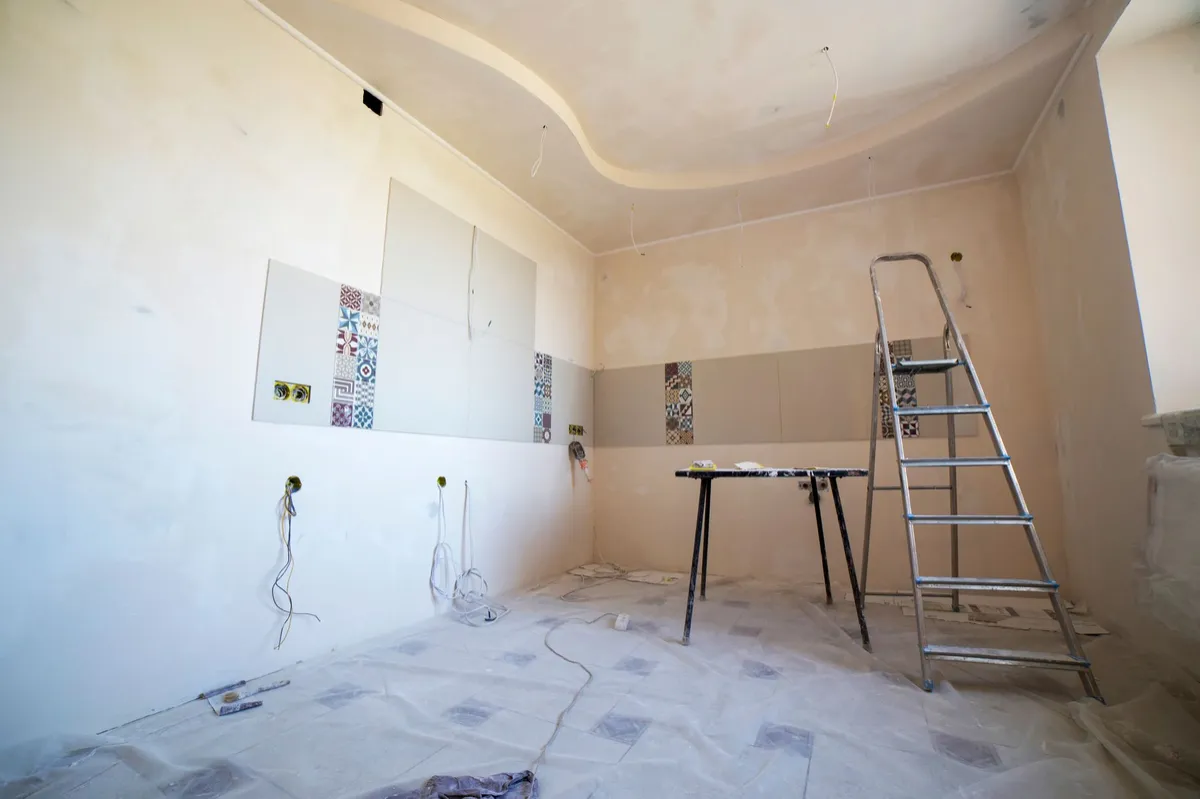
RCAG Professional House Painting Brother offers drywall repair in Austin for homes and businesses. That covers nail pops, cracks, doorknob holes, furniture damage, ceiling patches, and walls opened up for a repair. The patch itself is the fast part. Matching texture and priming so the repair disappears under paint is what separates a fixed wall from a wall with a visible scar.
A Crack Running Out From the Corner of a Door or Window Is a Movement Crack
Those corners are the weak point in the wall, so framing movement shows up there first. Filling that crack with compound and painting it looks great for a few months, then the line comes back in the same place. The repair that holds cuts the crack open, bridges it with tape set in compound, and feathers the compound out wide so the new surface is flat instead of humped. A crack that keeps reopening after a proper repair is telling you about the framing, not the finish.
Nail Pops Are the Fastener Moving, So Filling the Dimple Alone Fails
A round bump or a popped circle of paint means the nail or screw has backed out of the stud. Skim over the top and the head pushes right back through. Fix it at the fastener: set or remove the loose one, add a screw a couple of inches away where it bites solid, then coat the spot in thin layers rather than one thick blob. Thin coats shrink less and sand flat with much less dust.
Hole Size Decides the Repair Method
Small nail and screw holes take spackle and a sanding sponge. A doorknob hole needs a backed patch, because compound alone has nothing to hold onto and will crack out the first time the door swings. Anything bigger than your hand gets cut back to a clean square, backed with wood or furring, filled with a new piece of board, then taped and floated. Guessing at this step is why so many patches look fine wet and show up hard once the light hits them.
A Brown Spot on the Ceiling Means Find the Leak First
A stain is a symptom, so the source has to be chased before any repair happens: roof, a supply line, a shower pan, a condensate line from the air handler. Then the board has to dry. Drywall that is soft, sagging, or crumbles when you press it has lost its strength and gets replaced instead of patched. Coating a wet ceiling traps water in the board and grows a bigger, darker problem behind the fresh paint.
Texture Matching Is the Part That Makes a Patch Invisible
Most walls are not flat, so a perfect smooth patch on a textured wall stands out like a window. Orange peel, knockdown, and hand applied textures each go on differently, and the match takes test passes on scrap before it touches the wall. Smooth walls have their own trap, because every ridge and sanding scratch shows under side light and needs a wider, finer float. A patch that matches texture and blends its edges out far enough is the one you cannot find later.
An Unprimed Patch Flashes Under Paint
Joint compound drinks paint faster than the surrounding wall, so the patch dries duller and slightly different in color even with the exact same can. The answer is primer over the repair, and often painting the wall corner to corner instead of spotting it. Touching up an old wall with new paint from the original can rarely blends either, because the wall has aged and the touch up has not. Walls in the cities we cover around Austin take the same beating from movers, doors, and kids.
Tape Bubbling in a Seam Was Never Bonded
Long straight lines that lift, bubble, or peel at a seam mean the tape did not get full contact with the compound underneath. You cannot glue it back down through the paint. The loose section gets cut out, new tape gets bedded in fresh compound, and the seam gets floated wide so the repair is not a ridge. Done right, the line disappears. Done fast, you see it every time the hallway light is on.
We offer drywall repair, and we are open Monday to Saturday, 7 AM to 7 PM. Most repairs get painted right after, so see interior painting, and check the areas we serve for your address.

What our customers say about us
reviews
REVIEW US ON GOOGLE
★★★★★
OUR PROCESS
Our process is simple.
Free Consult
Estimation & Proposal
We Do The Work
Final Inspection
Payment
proudly serving these areas
Austin
Round Rock
New Braunfels
Georgetown
Leander
Cedar Park
San Marcos
Pflugerville
Kyle
Hutto
Lakeway
Taylor
Buda
Lockhart
READY TO take the next step?
get a free quote TODAY!
BUSINESS
SERVICES
SERVICE AREAS
OPERATING HOURS
Monday: 7:00am - 7:00pm
Tuesday: 7:00am - 7:00pm
Wednesday: 7:00am - 7:00pm
Thursday: 7:00am - 7:00pm
Friday: 7:00am - 7:00pm
Saturday: 7:00am - 7:00pm
Sunday: Closed