
SERVICES
Wood Staining And Sealing
Fences, decks, doors, and beams stained and sealed to block sun and rain while the grain still shows.
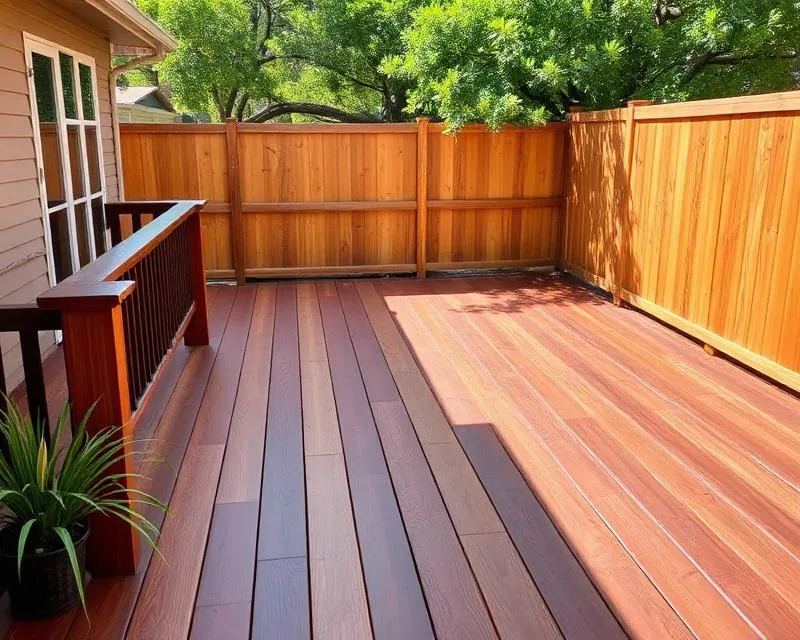
RCAG Professional House Painting Brother offers wood staining and sealing in Austin for homes and businesses. That covers fences, decks, pergolas, gates, railings, porch ceilings, and interior wood like doors and mantels. Stain adds color and sun protection. Sealer keeps water out. What the wood needs depends on what is left of the old finish and how much grain you still want to see.
Water That Soaks In Instead of Beading Means the Sealer Is Gone
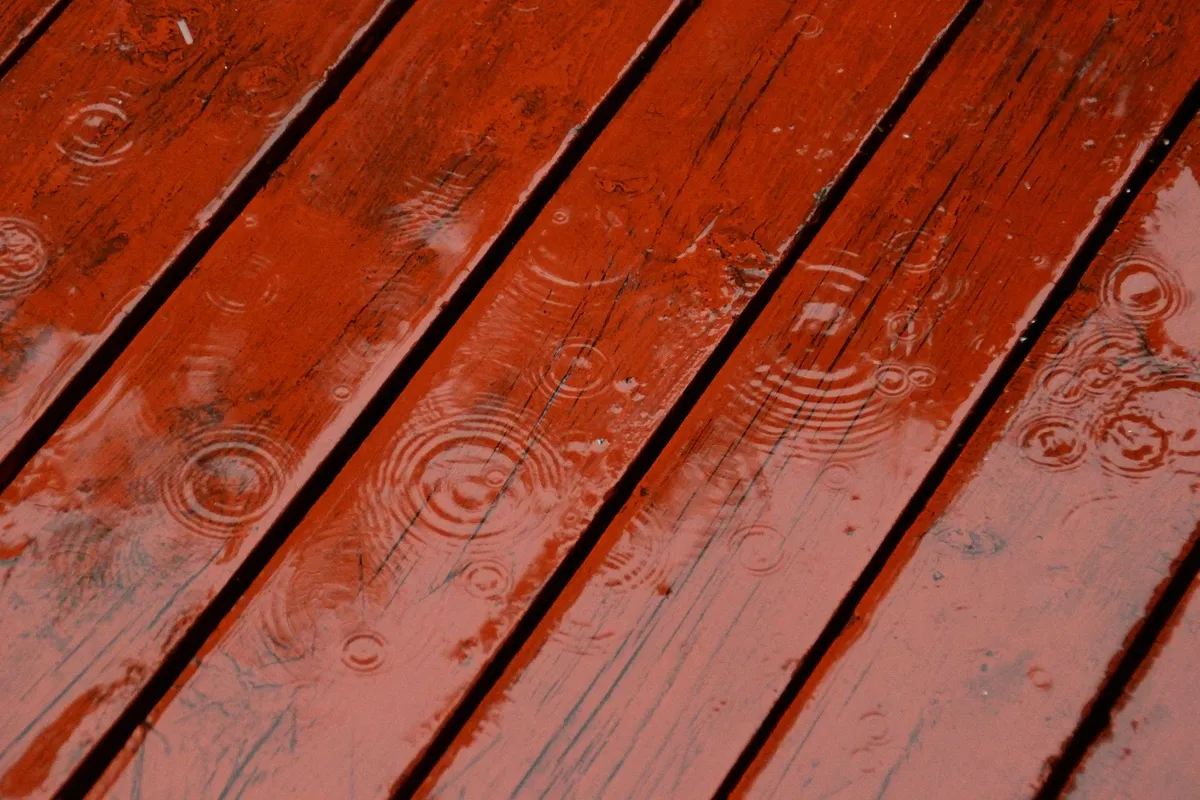
Pour a cup of water on the deck boards or the top rail of the fence and watch. Tight beads mean the finish is still working. Water that darkens the wood and disappears in seconds means the protection is spent and the board is now drinking every rain. That simple test beats any calendar, because sun, foot traffic, and shade are different on every board. Test in a few spots, because one deck can give you two different answers.
New Pressure Treated Wood Has to Dry Before It Takes Stain
Fresh treated lumber comes out of the yard loaded with treatment chemicals and moisture, and stain applied on top of that sits in the surface instead of soaking in, then flakes. Boards can also carry mill glaze, a slick, burnished surface from the planer that repels finish. The water bead test answers this one too: if the new wood still repels water, it is not ready. When it drinks, it is ready for stain.
Clear Sealer Looks the Best and Gives the Least Sun Protection
Pigment is what blocks sun damage, so protection and grain visibility pull against each other. Clear products shed water and show all the wood, and they give up to the sun soonest. Semi transparent stain keeps the grain visible while adding real color and sun blocking. Solid stain covers grain almost completely and protects the most. Pick the point on that line you can live with, and know that a clear finish means a shorter cycle between coats.
Deck Floors Wear Out Long Before the Rails
The floor takes sun, foot traffic, furniture, rain, and standing water, while the railings and the underside barely get touched. That is why a full strip and refinish of an entire deck is often the wrong move. Many decks need the floor recoated while the vertical surfaces only need a clean and a light refresh. Judge each surface on its own with the water test instead of treating the whole structure as one item.
Gray Wood Is Usually Surface Damage, Not Rot
Sun turns the top layer of unfinished wood silver gray, and that layer is thin. A wood cleaner and brightener, or a light sanding, brings the color back and opens the pores so new stain can grip. Rot is a different animal. Push a screwdriver into the board, especially where it meets a post, where it sits near soil, and where water stands. Soft wood that gives way needs replacing, because no finish restores strength.
A Peeling Film Finish Has to Come Off Before Anything New Goes On
Solid stains, varnishes, and deck coatings form a film that sits on top of the wood, and when a film fails it peels, cracks, and flakes rather than fading evenly. Recoating over flaking finish glues new product to loose material. That means stripping or sanding back to sound wood first, which is the slow part of the job. Penetrating stains behave differently, because they soak in and wear away by fading, so they can usually be cleaned and recoated.
Stain and Paint Are Different Choices on a Fence
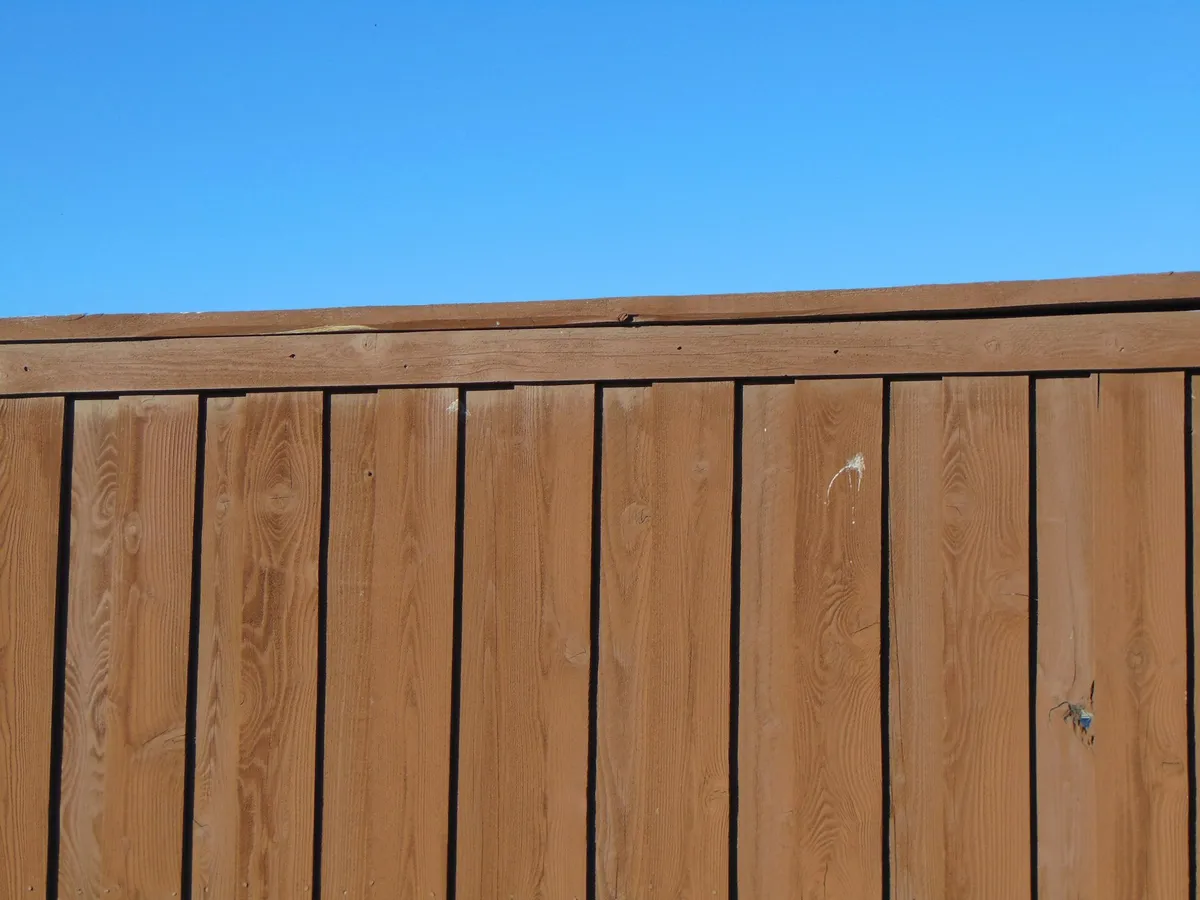
Fence boards get wet from both sides, move with the seasons, and sit in the sun all day, so a paint film has many chances to lift and peel. Stain soaks in and fades instead of peeling, which makes it easier to refresh later. Paint can still be the right call when the fence is already painted or the look matters more than the maintenance. Yards across Austin and the towns we serve go either way, and the cleaning step matters for both. See power washing for how the wood gets prepped.
We offer wood staining and sealing, and our owner has 15 years of experience in the painting trade. Check the cities on our list to confirm we cover your address.
What our customers say about us
reviews
REVIEW US ON GOOGLE
★★★★★
OUR PROCESS
Our process is simple.
Free Consult
Estimation & Proposal
We Do The Work
Final Inspection
Payment
proudly serving these areas
Austin
Round Rock
New Braunfels
Georgetown
Leander
Cedar Park
San Marcos
Pflugerville
Kyle
Hutto
Lakeway
Taylor
Buda
Lockhart
READY TO take the next step?
get a free quote TODAY!

BUSINESS
SERVICES
SERVICE AREAS
OPERATING HOURS
Monday: 7:00am - 7:00pm
Tuesday: 7:00am - 7:00pm
Wednesday: 7:00am - 7:00pm
Thursday: 7:00am - 7:00pm
Friday: 7:00am - 7:00pm
Saturday: 7:00am - 7:00pm
Sunday: Closed